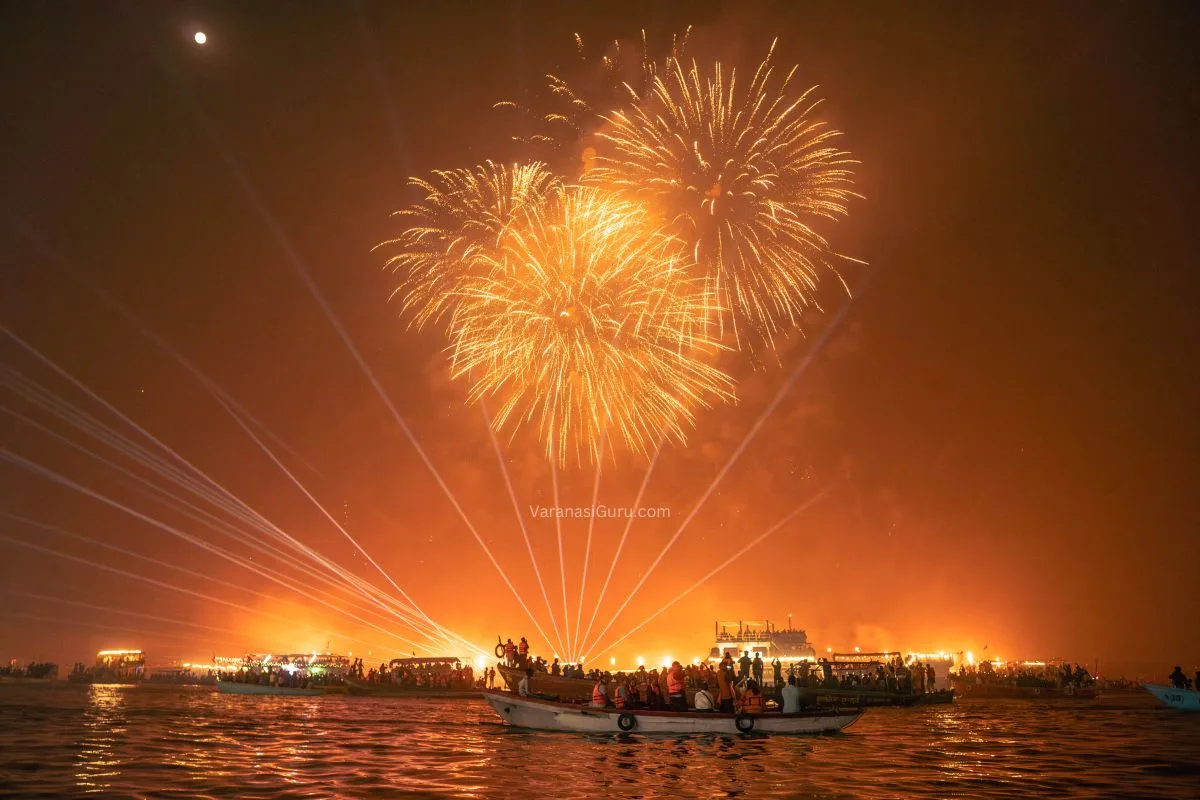
Ramnagar Fort is a historic fort located in Varanasi in the Indian state of Uttar Pradesh. It is situated on the eastern bank of the Ganges River and is a popular tourist destination in the city.
The fort is one of several landmarks covered on a guided Varanasi heritage walk, where a local historian walks you through the city’s royal and riverfront history.
The fort was built in the 18th century by the Maharaja of Benares, who ruled the city during that time. It is a testament to the wealth and power of the Maharaja and is a beautiful example of Mughal architecture. The fort is made of sandstone and marble and is decorated with intricate carvings and paintings.

The fort was originally built as a palace for the Maharaja and his family, and it served as the seat of power for the kingdom of Benares. It was also used as a military stronghold, and the fort was equipped with artillery and other defenses to protect the Maharaja and his subjects from invaders.
In addition to its military and political functions, the fort was also used as a cultural and educational centre. The Maharaja was a patron of the arts, and the fort was home to a number of scholars and artists who contributed to the cultural and intellectual life of the city.
Why the Ramnagar Fort still matters
Ramnagar Fort is not just a picturesque backdrop across the Ganges; it is the last living palace of the Kashi Naresh (hereditary kings of Benares) and an unusually intact example of late‑Mughal-Rajput court architecture. Commissioned in 1750 by Maharaja Balwant Singh, its lofty position and Chunar‑sandstone façade signalled both wealth and military readiness at a time when Awadh, the East India Company and Maratha forces were all jockeying for the mid‑Gangetic plain.
A quick timeline
| Year | Milestone | Why it matters |
|---|---|---|
| 1750 | Balwant Singh builds the fort‑palace | Establishes Ramnagar as a royal seat |
| 1852 | Astronomical clock installed | Rare Indo‑European horology piece still ticking today |
| 1920s | First motorcars added to the royal garage | Now part of the fort’s celebrated vintage‑car gallery |
| 2008 | Ramnagar Ramlila inscribed on UNESCO list | Confers global recognition on the month‑long festival staged behind the fort |
Architectural highlights you’ll notice
- Darbar Hall (Public Audience Hall): A vaulted, fresco‑lined chamber now housing the Saraswati Bhawan Museum. Look up to spot fading Persianate ceiling motifs.
- Carved riverfront balconies: Designed for catching the monsoon breeze and for royal viewing of the ghats; they echo Rajput jharokhas yet sit on a Mughal plinth.
- Dakshin‑mukhi Hanuman temple: A defensive folk feature – Hanuman faces south to repel evil—woven into palace ritual space.
Inside the Saraswati Bhawan Museum
The Saraswati Bhawan Museum, housed within Ramnagar Fort’s Durbar Hall, offers a fascinating glimpse into the lifestyle, taste, and legacy of the Kashi royal family. Its eclectic collection includes vintage automobiles like a 1913 Rolls-Royce and early Bentleys, medieval arms and armour, gold-embroidered silk costumes, palanquins, carved ivory pieces, and antique astronomical instruments – including a rare 19th-century clock that shows time, date, zodiac, and planetary positions. The museum is not modern in layout but is rich in storytelling; each object reflects a chapter of Varanasi’s royal and cultural history, blending local craftsmanship with global influences collected over centuries.
| Collection | Star objects | Research value |
|---|---|---|
| Vintage vehicles | 1913 Rolls‑Royce Silver Ghost, 1920s Bentley | Illustrate early royal patronage of automotive tech in North India |
| Armoury | Indo‑Persian swords, Burmese rifles, Japanese matchlocks | Shows how the palace sourced arms across Asia between the 18th and 20th centuries. |
| Courtly life | Ivory palanquins, kimkhwab silk costumes | Exemplify Varanasi’s luxury textile economy and artisanal skills. |
| Science & time‑keeping | 1852 astronomical clock (“Dharam Ghadi”) | Shows how the palace sourced arms across Asia between the 18th and 20th c. |
Please note: Photography is restricted inside the museum; outside courtyards are camera‑friendly.
Living culture: the Ramnagar Ramlila

For 31 nights each autumn, the lanes behind the fort transform into India’s longest continuous Ramayana reenactment. In 2008, UNESCO placed Ramnagar Ramlila on its Representative List of Intangible Cultural Heritage, citing Ramnagar’s immersive, peripatetic staging and the Kashi Naresh’s ceremonial role (he still rides out on an elephant to open key episodes).
Practical visitor details (checked June 2025)
| Detail | Info |
|---|---|
| Hours | Daily, 10 a.m.–5 p.m. |
| Fees | Museum: ₹20 Indian / ₹150–₹200 foreign visitor (fort grounds themselves free); prices fluctuate – carry small notes. |
| Access | 14 km/30 min by road from Varanasi city centre via Ramnagar Bridge or 45–60 min scenic boat ride from Dashashwamedh Ghat. |
| Best season | Oct–Mar (pleasant weather; Ramlila & Dev Diwali fall in this window). |
| On‑site facilities | Basic washrooms; no café – carry water. Vendors outside sell tea & snacks. |
How to Reach
Ramnagar Fort is located on the eastern bank of the Ganges River, in the Ramnagar area of Varanasi. It is well connected to Varanasi Junction, Banaras Railway Station, Lal Bahadur Shastri Airport, and the city’s main bus terminals via road. You can reach the fort by auto-rickshaw, taxi, or private vehicle from the Assi area. For a scenic approach, you can also take a boat ride from Assi Ghat directly across the river to Ramnagar.
Nearby Attractions
- Ramnagar Ramlila Grounds
- Durga Temple, Ramanagar
- Assi Ghat
- Banaras Hindu University (BHU)